
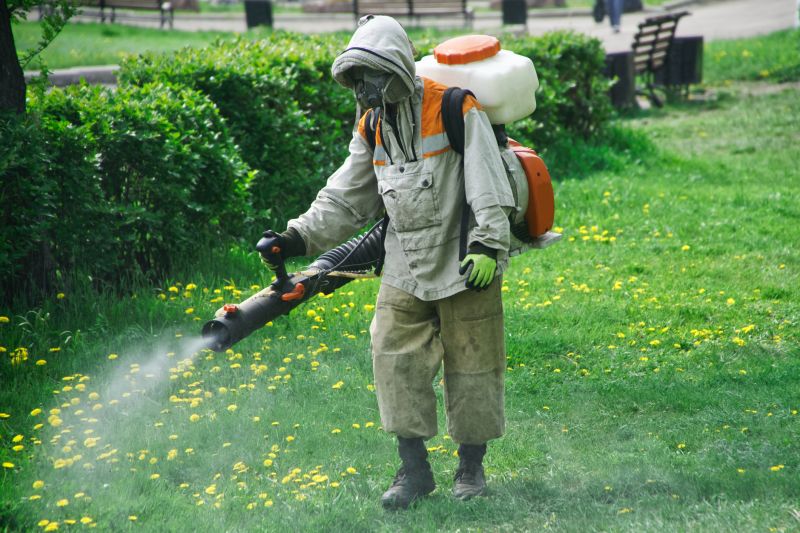
Lawn Insect Spraying in Arlington, TX
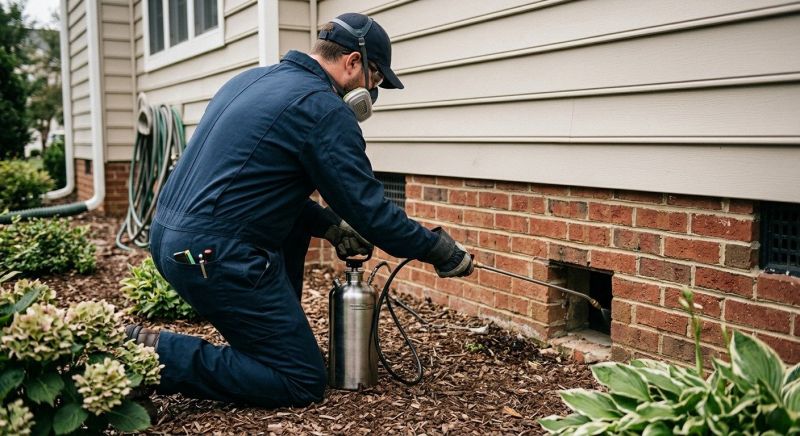
Lawn insect spraying services involve applying targeted treatments to control and prevent common pests that can damage turf and plants. These services typically cover residential lawns, including turfgrass, flower beds, and shrubbery, to protect against insects such as grubs, chinch bugs, and armyworms. Homeowners often seek these treatments to maintain a healthy, lush lawn, reduce the risk of pest-related damage, and avoid the need for more extensive or costly repairs later on.
Before requesting lawn insect spraying, property owners usually want to understand the types of pests present or likely to appear, the best timing for treatments, and any precautions to take afterward. It’s helpful to consider the specific features of the yard, such as the presence of children or pets, to ensure the chosen treatment aligns with safety needs. Clear communication about the property’s landscape and pest concerns can support effective pest management tailored to the local environment.
Many property owners in Arlington, TX look into Lawn Insect Spraying for repairs, replacements, upgrades, and appearance-related improvements.

Effective Pest Control
Targeted insect spraying helps protect lawns from common pests like grubs and chinch bugs.
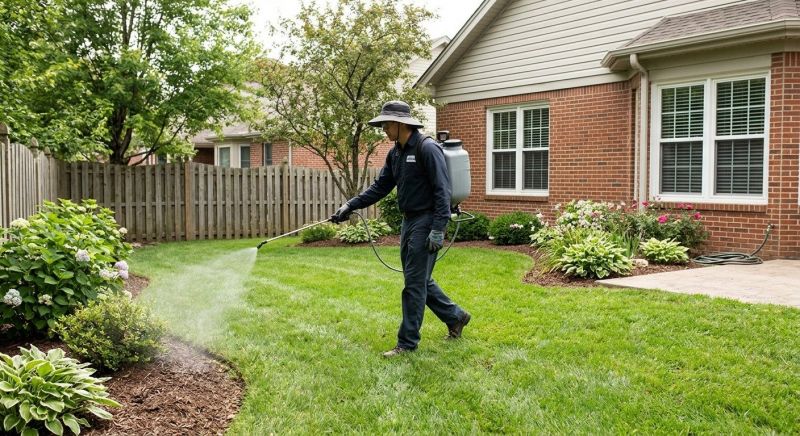
Healthy Lawn Maintenance
Regular insect treatments can reduce damage and promote a lush, vibrant yard in arlington, tx.
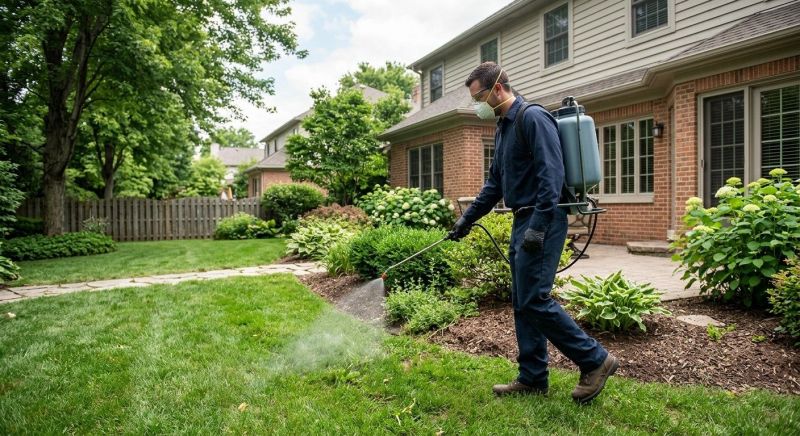
Preventative Treatments
Applying insect sprays before infestations occur helps maintain a pest-free outdoor space year-round.
Lawn Insect Spraying in Arlington, TX

Lawn insect spraying services involve applying targeted treatments to control and prevent common pests that can damage turf and plants. These services typically cover residential lawns, including turfgrass, flower beds, and shrubbery, to protect against insects such as grubs, chinch bugs, and armyworms. Homeowners often seek these treatments to maintain a healthy, lush lawn, reduce the risk of pest-related damage, and avoid the need for more extensive or costly repairs later on.
Before requesting lawn insect spraying, property owners usually want to understand the types of pests present or likely to appear, the best timing for treatments, and any precautions to take afterward. It’s helpful to consider the specific features of the yard, such as the presence of children or pets, to ensure the chosen treatment aligns with safety needs. Clear communication about the property’s landscape and pest concerns can support effective pest management tailored to the local environment.
Many property owners in Arlington, TX look into Lawn Insect Spraying for repairs, replacements, upgrades, and appearance-related improvements.
Common Lawn Insect Spraying Jobs
Lawn insect spraying - targeted treatments to control common lawn pests like grubs and chinch bugs.
Preventative insect control - proactive applications to reduce the risk of future pest infestations.
Spot treatments for infestations - focused spraying to eliminate active pest problems in specific areas.
Seasonal pest management - scheduled services to keep lawns protected throughout the year.
Insect barrier application - creating a protective layer to deter insects from re-infesting the lawn.
Consultation on pest issues - guidance on identifying pests and selecting effective treatment options.
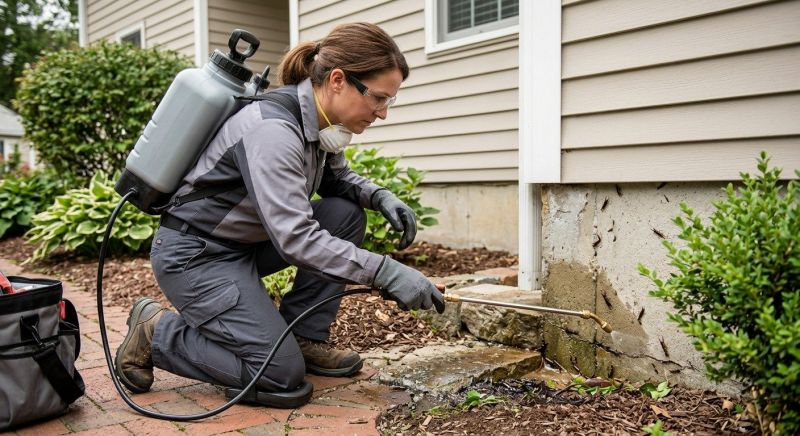

Lawn Insect Spraying Questions
What are common insects targeted by lawn spraying? Typical pests include grubs, chinch bugs, and sod webworms that can damage grass and plants.
How often should lawn insect spraying be performed? The frequency depends on pest activity and local conditions, often ranging from monthly to seasonal treatments.
Is lawn insect spraying safe for pets and children? When applied according to instructions, these treatments are generally safe, but it's recommended to follow specific product guidelines.
What signs indicate a lawn may need insect control? Symptoms include patches of dying grass, visible insects, or increased pest activity in the yard.
Request Lawn Insect Spraying in Arlington, TX
Use the quote form on this page to share the basics of your project and request more information for the type of work you need.