
Why Commercial Termite Control Requires Specialized Treatment Plans
Commercial termite control requires specialized treatment plans that local service providers can design and implement to effectively protect your property from infestations.
Understanding why commercial termite control requires specialized treatment plans is essential for property owners seeking effective solutions. Unlike residential properties, commercial spaces often feature larger, more complex structures with varied construction materials and layouts. These factors can make standard treatments less effective, emphasizing the need for tailored approaches that address the specific characteristics of each property. Local contractors experienced in commercial pest management are equipped to design and implement treatment plans that consider these unique aspects, ensuring thorough protection against termite infestations.
For property owners in the area, exploring this topic is a practical step toward safeguarding their investments. Commercial buildings can be vulnerable to significant damage if termites are left untreated, leading to costly repairs and operational disruptions. Working with local service providers who understand the intricacies of commercial termite control can help develop customized strategies that effectively target the pests while accommodating the building’s design. Keep reading to learn more about why specialized treatment plans are a crucial part of maintaining a pest-free commercial environment.
- Commercial warehouses - when large storage facilities show signs of termite activity, local contractors develop tailored treatment plans to address the unique structure and material challenges.
- Office buildings - in cases where termites threaten building integrity, service providers design specialized treatments that consider the building’s design and occupancy needs.
- Industrial facilities - for sites with extensive infrastructure, local pros implement comprehensive, customized approaches to effectively eliminate termites without disrupting operations.
- Retail centers - when pest infestations are detected in commercial retail spaces, experts craft treatment strategies that address both the pests and the property’s specific layout.
- Multi-unit commercial complexes - in properties with multiple tenants, service providers develop coordinated treatment plans to ensure thorough termite control across all units.
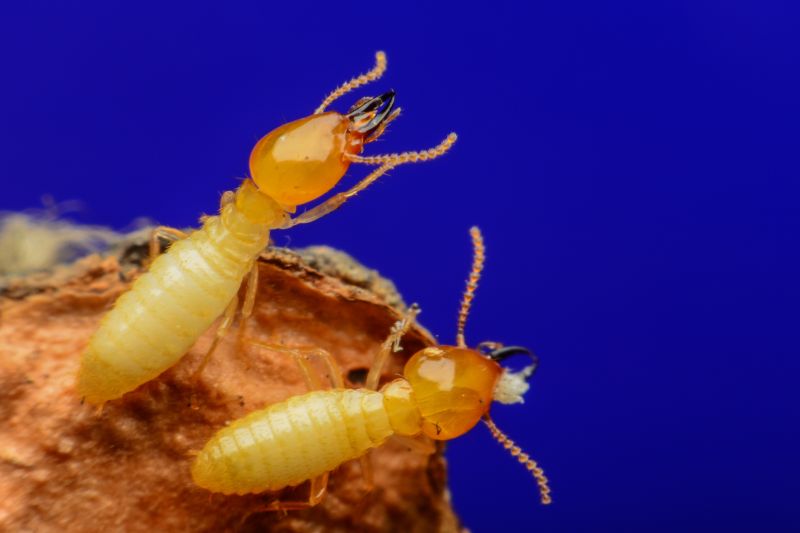
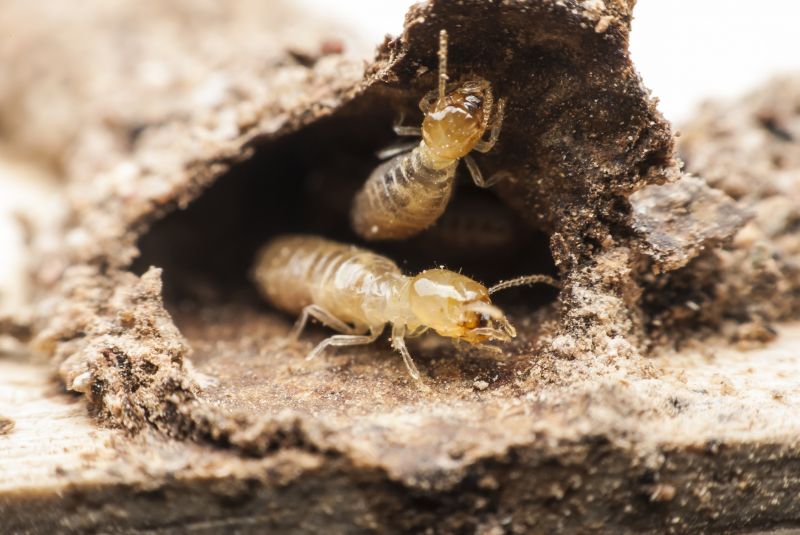
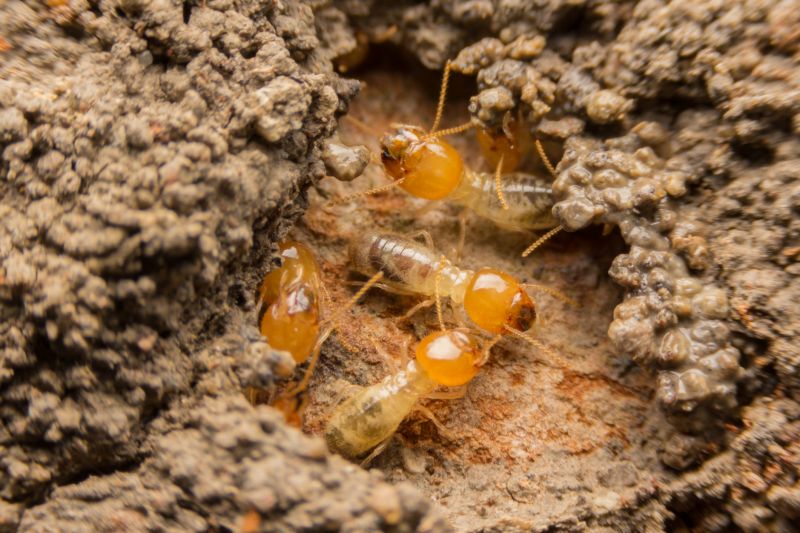
When people search for why commercial termite control requires specialized treatment plans, they are often trying to understand the unique challenges involved in protecting larger or more complex properties from termite infestations. Unlike residential properties, commercial buildings can include warehouses, office complexes, retail centers, or industrial facilities, each presenting different structural features and material compositions. These factors influence the type of treatment needed, making standard approaches ineffective or insufficient. Understanding this helps property owners realize that addressing termite problems in commercial settings involves more than just applying basic solutions; it requires tailored strategies designed to target the specific layout and construction of the property.
The problems associated with termite infestations in commercial properties can be extensive and costly if not properly managed. Termites can damage structural beams, support systems, and insulation, jeopardizing the safety and integrity of the building. Because commercial properties often have larger footprints and more complex layouts, infestations can be harder to detect and treat effectively. This is why specialized treatment plans are essential-they are designed to reach hidden colonies, treat affected areas thoroughly, and prevent future re-infestations. These plans often include a combination of soil treatments, baiting systems, and barrier methods, all customized to the property’s unique needs. Local service providers with experience in commercial termite control understand how to develop these comprehensive plans to minimize disruption and ensure long-term protection.
Different types of properties typically come up in discussions about commercial termite control, including warehouses, retail stores, office buildings, and manufacturing plants. These properties tend to have large open spaces, extensive foundation systems, and multiple entry points that can facilitate termite entry and hide colonies. The construction materials used-such as wood framing, concrete, or steel-also influence the treatment approach. For example, a warehouse with exposed wood pallets may require different treatment methods compared to a concrete office building. Local contractors specializing in commercial termite control are familiar with the specific challenges each property type presents, enabling them to craft effective, specialized treatment plans that address the unique characteristics of each property.
Understanding why commercial termite control requires specialized treatment plans helps property owners recognize the importance of working with experienced local service providers. These professionals bring knowledge of the structural features, common problem areas, and effective treatment methods suited to commercial settings. They can assess the property’s layout and materials, identify potential entry points, and develop a strategic plan to eliminate existing colonies while preventing future infestations. Engaging with local contractors who specialize in commercial termite control ensures that treatment plans are tailored to the specific needs of the property, ultimately helping to protect the investment and maintain the safety and functionality of the building.
Warehouse pest management - managing pests in large storage facilities requires detailed planning and specialized treatment methods similar to those used in commercial termite control.
Industrial building treatments - addressing pest issues in industrial settings involves complex treatment plans and the use of advanced tools, paralleling the needs of commercial termite control.
Structural pest inspections - conducting thorough inspections of commercial properties demands skills in identifying pest activity and planning targeted treatments, akin to termite control strategies.
Construction site pest prevention - implementing pest prevention measures during construction involves planning and treatment techniques comparable to those used in commercial termite management.
Food processing facility sanitation - maintaining hygiene and pest control in food facilities requires specialized approaches similar to those in commercial termite treatment plans.
Building remediation projects - restoring structures affected by pests involves planning and treatment methods that align with the complexities of commercial termite control services.
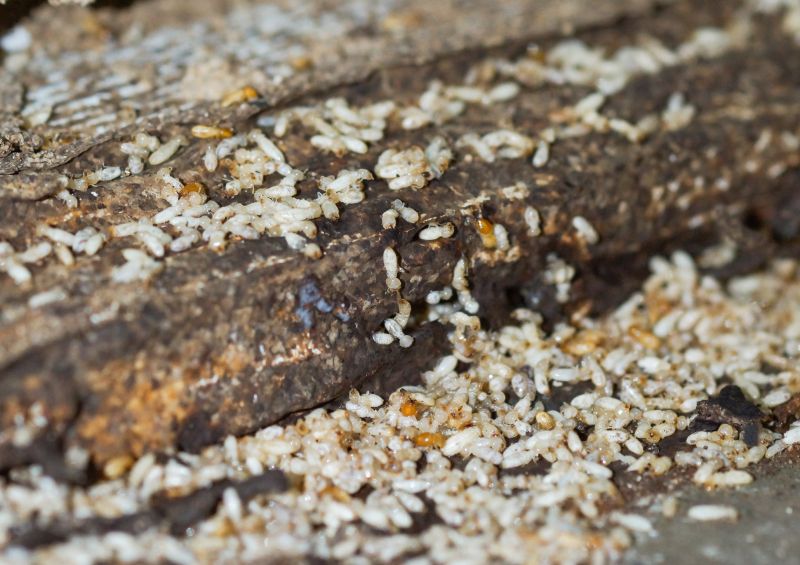
When evaluating service providers for commercial termite control, it is essential to consider their experience with similar projects. Contractors who have handled commercial properties or large-scale infestations are more likely to understand the complexities involved in creating effective treatment plans tailored to the unique needs of a business or industrial space. An experienced local contractor can bring valuable insights into the most appropriate treatment methods, ensuring that the approach addresses the specific structural and environmental factors at play. This familiarity can help prevent recurring issues and contribute to a more thorough and reliable solution.
Clear written expectations are a crucial aspect of comparing commercial termite control services. Reputable local providers should be willing to outline their treatment strategies, the scope of work, and any necessary follow-up procedures in detail. Having these expectations documented helps ensure that both parties are aligned on what the service entails, reducing misunderstandings and providing a transparent framework for the project. Well-defined plans also serve as a reference point for assessing the quality and comprehensiveness of the treatment, which is especially important given the specialized nature of commercial termite control.
Reputable references and strong communication are vital when choosing local contractors for commercial termite control. Service providers with a history of successfully managing similar projects can offer insights into their reliability and effectiveness. Good communication throughout the process helps clarify questions, adjust plans if necessary, and keep the property owner informed about progress and results. This open dialogue fosters confidence that the contractor understands the specific challenges of commercial termite control and is committed to delivering a thorough, tailored solution that meets the property's needs.
Property owners often search for why commercial termite control requires specialized treatment plans when they are planning practical projects around their homes and businesses. Local pros provide Commercial Termite Control services for everyday jobs and straightforward project options.
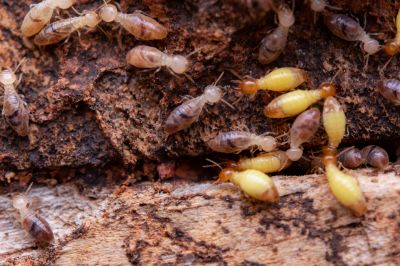

Commercial properties often have complex structures and large areas that require a tailored approach to termite control. Unlike residential treatments, which might focus on small, accessible spaces, commercial projects demand specialized treatment plans to address the unique challenges of larger and more intricate environments. Local contractors experienced in commercial termite control understand how to develop effective strategies that target infested areas without disrupting daily operations, ensuring the treatment is both thorough and efficient.
Property owners searching for solutions to ongoing or severe termite issues recognize that standard methods may not be sufficient for commercial settings. They might consider professional services because commercial termite control involves more than just applying a basic treatment; it requires a comprehensive plan that accounts for building design, materials, and potential access points. Local service providers are equipped to handle these complexities, offering customized solutions that help protect the property’s value and integrity.
Why does commercial termite control require specialized treatment plans? Commercial properties often have complex structures and multiple building types, which require tailored treatment approaches that standard methods cannot provide. Local contractors understand these complexities and can develop customized plans to effectively address the specific needs of each property.
How do the unique features of commercial buildings impact termite treatment? Commercial buildings may have extensive wiring, plumbing, and insulation that can be affected by standard treatments. Local service providers are equipped to design treatment plans that protect these features while effectively eliminating termites.
What makes commercial termite control different from residential services? Commercial treatments often involve larger areas, different building materials, and higher safety considerations, necessitating specialized techniques. Local contractors are experienced in managing these factors to ensure thorough and safe treatment.
Why can't a one-size-fits-all approach work for commercial termite control? Each commercial property has unique structural and environmental factors that influence how termites infest and spread. Local pros assess these variables to create treatment plans that are specifically suited to each site’s conditions.
How do local service providers ensure the effectiveness of commercial termite control? They utilize specialized treatment methods and equipment designed for large-scale or complex properties, ensuring the treatment plan targets the entire infestation effectively and minimizes disruption to the business operations.
Assessing property structure - Property owners can work with local contractors to evaluate building foundations and wood structures to identify specific areas vulnerable to termite activity.
Custom treatment planning - Engaging with specialists helps develop tailored treatment strategies that address unique property features and infestation risks.
Implementing targeted solutions - Local service providers can apply precise treatments that focus on problem spots, reducing unnecessary chemical use and enhancing effectiveness.
Ongoing monitoring and prevention - Property owners can partner with pros to establish regular inspections and preventative measures suited to the property's layout and needs.
If you are thinking about why commercial termite control requires specialized treatment plans for a property, this guide is meant to help you understand this topic, the typical project types, and how different options might fit your plans.
When you are ready, you can use the quote form on this page to share a few details about your project. From there, local pros can review the basics and follow up with options that match what you have in mind.