
How Termites Enter Homes and Commercial Structures
People seeking termite control aim to prevent or eliminate termites that enter homes and structures, and local service providers can assess entry points and provide effective treatment options.
Understanding how termites enter homes and commercial structures is crucial for property owners looking to protect their investments. These pests typically gain access through small cracks in the foundation, gaps around utility lines, or even through damaged wood. Recognizing the common entry points can help owners identify vulnerabilities early and take practical steps to prevent infestations. Local contractors who specialize in termite control have the expertise to assess these entry points and recommend effective solutions to keep structures secure.
Exploring this topic is especially relevant for property owners in areas where termites are prevalent. Knowing how these pests infiltrate buildings can inform maintenance routines and prompt timely inspections. Many local service providers offer targeted treatments and preventative measures designed to address specific entry points and deter future invasions. Keeping informed about how termites enter homes and commercial structures can empower property owners to partner with local experts for effective, long-term protection.
- Residential termite inspections - homeowners noticing signs of termites or concerned about entry points can rely on local contractors to identify how termites enter homes and recommend targeted treatments.
- Commercial building assessments - business owners seeking to prevent infestations can work with service providers who evaluate how termites might access commercial structures and advise on preventative measures.
- Pre-construction treatments - builders and developers planning new structures can consult local pros to apply barriers that block termites from entering during the construction phase.
- Post-construction barrier installations - properties that have existing structures can benefit from experts installing physical or chemical barriers to prevent termites from gaining entry.
- Damage repair and prevention - after identifying how termites entered, local contractors can perform repairs and implement strategies to reduce future risks of infestation.
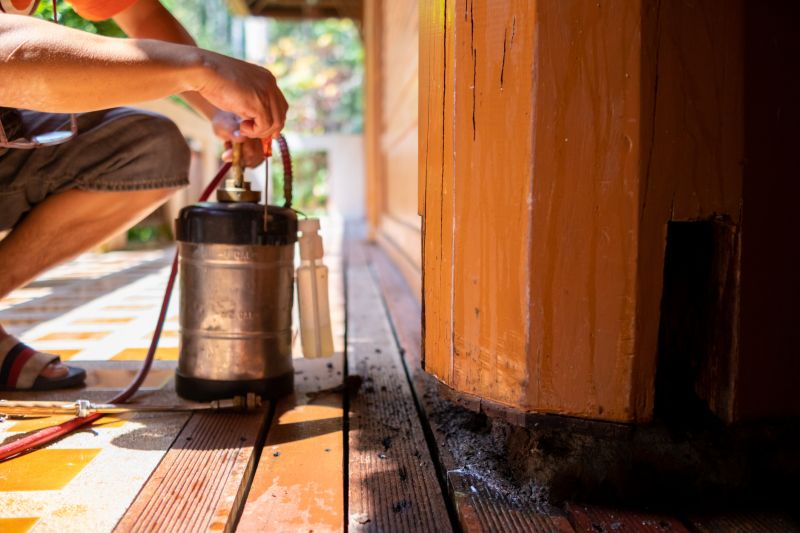
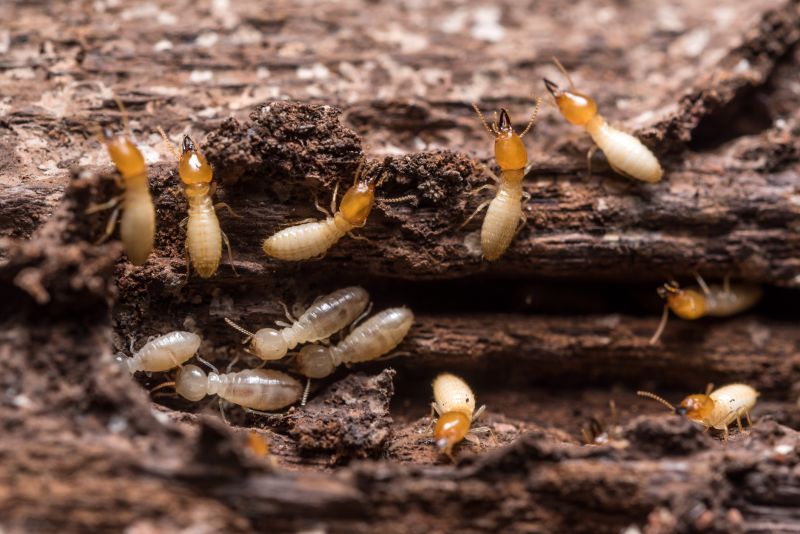
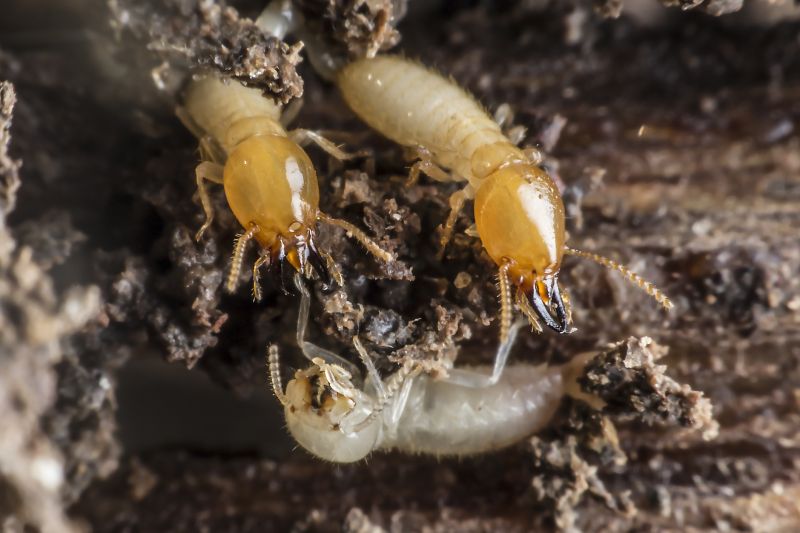
Understanding how termites enter homes and commercial structures is a common concern for property owners facing potential or ongoing pest issues. When people search for this topic, they often want to learn about the specific pathways termites use to gain access to buildings, so they can better protect their investments. This knowledge helps homeowners and business owners identify vulnerabilities in their properties and consider effective prevention or treatment strategies. Many are also interested in understanding how these insects can silently establish colonies, often causing significant damage before signs become visible. Recognizing the entry points and entry methods is a crucial step in developing a comprehensive pest management plan.
The problems related to termites entering structures typically involve property damage, costly repairs, and concerns about structural safety. Property owners may be planning preventive measures or seeking solutions after noticing signs of infestation, such as mud tubes or damaged wood. This topic is particularly relevant when preparing for property inspections, remodeling projects, or new construction, where understanding termite entry points can influence design choices. Additionally, those dealing with ongoing infestations may look for ways to eliminate colonies and prevent future invasions. Local service providers specializing in termite control can assess how termites are gaining entry, identify vulnerabilities, and implement targeted treatments to protect the property.
Properties most commonly affected by termite entry include residential homes, especially those with wood framing, foundations, or siding that provides easy access. Commercial structures with similar building materials, such as warehouses, offices, and retail spaces, can also be vulnerable. Properties located in areas with high termite populations or those built on soil that favors termite activity are at increased risk. Features like cracks in the foundation, poorly sealed entry points, or wood-to-soil contact are typical pathways for termites. Understanding the types of properties prone to these issues helps property owners recognize their risk factors and work with local contractors who can evaluate and address potential vulnerabilities effectively.
By exploring how termites enter homes and commercial structures, property owners gain practical insights into the vulnerabilities that pests exploit. This knowledge supports proactive planning, whether that involves sealing entry points, removing conducive conditions, or scheduling regular inspections. Local termite control service providers play a vital role in identifying these entryways and implementing strategies to keep structures protected. Connecting with experienced professionals ensures that property owners can address existing issues and reduce the risk of future infestations. Proper understanding and intervention can help preserve the integrity of both residential and commercial properties, preventing extensive damage caused by these persistent pests.
Foundation Repair Projects - these projects involve inspecting and repairing structural issues that may create entry points for termites, similar to how they invade buildings.
Wood Damage Restoration - professionals assess and treat wood decay caused by pests, which aligns with identifying termite entry sites and infestations.
Structural Inspection Services - detailed inspections to detect vulnerabilities in buildings that could allow termite entry, requiring similar planning and assessment skills.
Pest Exclusion Installations - installing barriers and sealing entry points to prevent pests from entering structures, akin to controlling termite access routes.
Moisture Control Services - managing moisture levels around buildings to reduce conditions that attract termites, involving similar site evaluation techniques.
Building Maintenance and Repairs - general upkeep that includes sealing cracks and openings, which are common pathways for termites to enter homes and commercial structures.
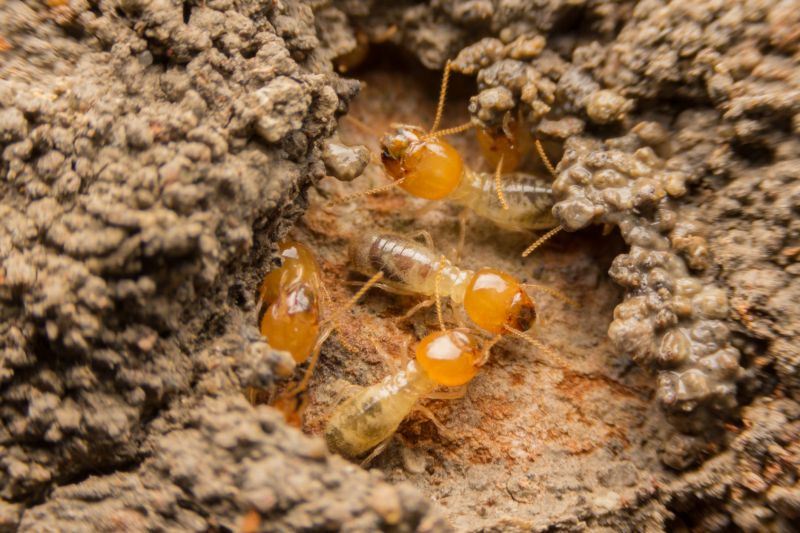
When evaluating service providers for termite control, it is important to consider their experience with similar projects involving how termites enter homes and commercial structures. An experienced contractor will have a thorough understanding of common entry points, such as cracks in the foundation, gaps around utility lines, or areas where wood meets soil. This knowledge can help ensure that the treatment plan addresses the specific ways termites are likely to infiltrate a property, increasing the likelihood of effective prevention and control. Verifying a contractor’s background with comparable jobs can provide confidence that they are familiar with the challenges unique to different types of structures and environments.
Clear written expectations are vital when selecting a termite control service provider. A reputable contractor should be able to communicate their recommended approach, the scope of work, and any necessary follow-up treatments in straightforward terms. This transparency helps prevent misunderstandings and ensures that homeowners understand what services will be provided, how they relate to how termites enter buildings, and what measures are needed to maintain long-term protection. Having detailed, written descriptions of the process also serves as a useful reference for homeowners to compare proposals and assess whether the proposed solutions align with their concerns about termite entry points.
Reputable references and good communication are key factors in choosing a reliable service provider. An established contractor should be willing to share references from previous clients, especially those who had similar concerns about termites entering structures. Talking to past customers can offer insights into the contractor’s responsiveness, professionalism, and effectiveness in addressing termite entry points. Additionally, good communication throughout the process-including prompt responses to questions and clear explanations of treatment options-helps homeowners feel confident in the service provider’s ability to manage the job effectively. This collaborative approach ensures that homeowners are well-informed and comfortable with the strategies used to prevent termite entry and protect their property.
Property owners often search for how termites enter homes and commercial structures when they are planning practical projects around their homes and businesses. Local pros provide Termite Control services for everyday jobs and straightforward project options.
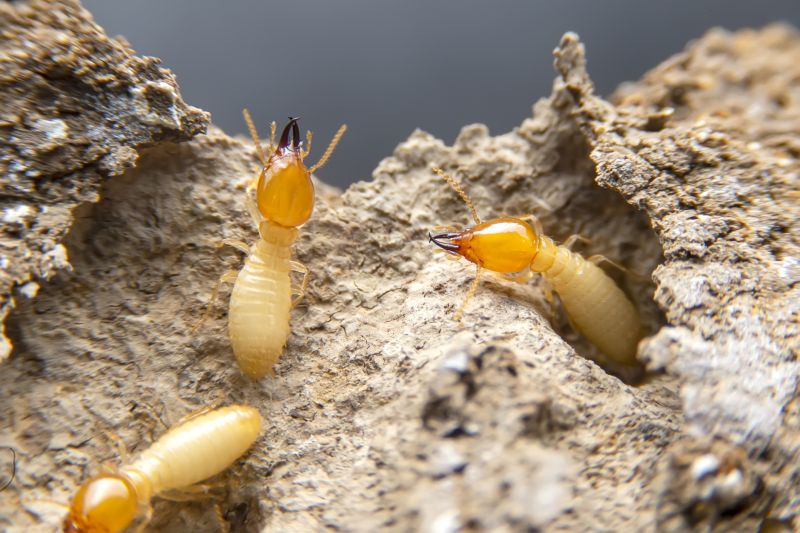

Understanding how termites enter homes and commercial structures is essential for property owners concerned about potential infestations. Common entry points include cracks in the foundation, gaps around utility pipes, and damaged or decaying wood that provides easy access for these pests. Additionally, wood-to-ground contact, such as siding or landscaping features touching the building, can facilitate termite entry. Property owners often seek guidance on preventing these entry points and may consider termite control services offered by local contractors to safeguard their investments.
Many people in the area turn to local service providers to assess and address potential termite entry routes. These professionals can inspect properties for vulnerabilities like damaged wood, foundation cracks, or moisture issues that attract termites. By identifying how termites gain access, local contractors help property owners develop effective treatment plans and implement preventative measures. Connecting with experienced termite control specialists ensures that homes and commercial structures remain protected from future infestations.
How do termites typically enter homes and commercial structures? Termites often enter buildings through cracks in the foundation, gaps around utility lines, or damaged wood. They can also access structures via soil contact or wood-to-soil contact points. Local contractors can inspect and identify potential entry points to help prevent infestations.
What are common signs that termites have entered a building? Signs include mud tubes on exterior walls, damaged wood that sounds hollow, and discarded wings near entry points. A professional inspection by local service providers can confirm if termites have gained entry and assess the extent of the infestation.
Can termites enter through vents or other openings? Yes, termites can access structures through vents, gaps around pipes, or poorly sealed openings. Proper sealing and inspection by local pros can help block these potential entry routes.
How do soil conditions influence termite entry into buildings? Moist soil and areas with poor drainage create favorable conditions for termites to build colonies close to structures, increasing the likelihood of entry through foundation cracks or soil contact. Local contractors can evaluate soil conditions and recommend mitigation measures.
What steps can be taken to prevent termites from entering a building? Regular inspections, sealing cracks and gaps, reducing wood-to-soil contact, and managing moisture levels are key. Local termite control specialists can provide tailored prevention strategies to protect structures from termite entry.
Identify entry points - Property owners can inspect foundations, windows, and door frames for cracks or gaps where termites might enter, and seek help from local contractors to seal these openings.
Manage wood and debris - Removing wood piles, mulch, and debris near structures reduces potential pathways for termites and encourages professional treatment.
Maintain structural barriers - Installing physical barriers or soil treatments around the property can prevent termites from accessing the building, with the assistance of local service providers.
Monitor moisture levels - Fixing leaks and drainage issues helps reduce moisture that attracts termites, and professionals can assess and improve the property's defenses.
If you are thinking about how termites enter homes and commercial structures for a property, this guide is meant to help you understand this topic, the typical project types, and how different options might fit your plans.
When you are ready, you can use the quote form on this page to share a few details about your project. From there, local pros can review the basics and follow up with options that match what you have in mind.